Market NewsAlibaba Enters the Market, Upgrading the Instant Retail "Three Kingdoms" Battle as the Food Delivery War Intensifies
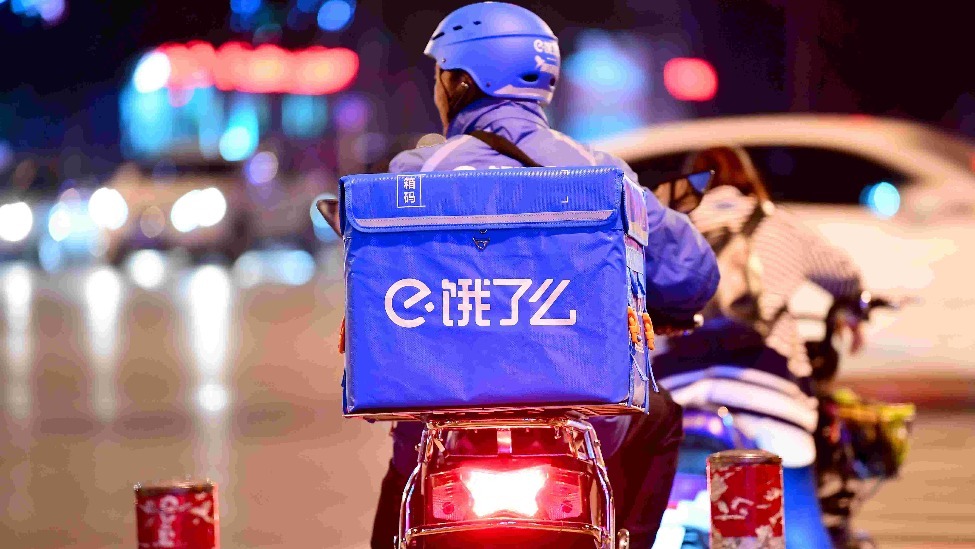
As JD and Meituan engage in fierce competition for food delivery riders and merchants, Alibaba has also made a high-profile entry, positioning local life services as a core business. On April 30, Ele.me launched its "Ele.me Super 100 Billion" promotional campaign, offering users various coupons through its app. At the same time, Taobao Tmall upgraded its instant retail service "Hour Delivery" to "Taobao Flash Shopping" and placed it as a primary traffic entry on the Taobao app homepage. Initially launched in 50 cities, the service is set to expand nationwide on May 6. Through these moves, Alibaba has further intensified its investment in the local life services sector and is positioning instant retail as a key growth driver for its e-commerce business.
(Image source: Internet)
Upgrading the "Three Kingdoms" Battle
Alibaba's entry into the food delivery market is a strategic move that was inevitable. Although Meituan and Ele.me once dominated the market, with the market now saturated and innovation limited, the competitive landscape has become more stable. JD's entry quickly opened a market gap with its strong logistics and e-commerce resources, capturing a share. For Alibaba, continuing to stand by and watch would lead to further erosion of Ele.me's market share, and in the potentially vast local services sector, Alibaba might lose its influence and even be pushed out of the market. Therefore, Alibaba must accelerate its strategy. Additionally, Alibaba's "TaoTian" strategy expands competition from food delivery to instant retail, intensifying market competition and opening new growth spaces.
The ongoing food delivery battle is much more significant than just the restaurant industry itself. Its real goal is to drive broader instant retail business through high-frequency food orders, ultimately changing the landscape of e-commerce in the mobile internet era. As food delivery orders increase, the platform accumulates more user data, allowing it to better understand user needs and use algorithms to recommend non-food items. At the same time, only by increasing food delivery orders can the platform leverage the delivery network to reduce the marginal cost of instant retail. In this way, food delivery not only breaks traditional e-commerce boundaries but also provides new growth opportunities for the e-commerce sector.
Market Volatility
Although the results of the food delivery battle are yet to be seen, Meituan and JD have both dropped by about 30% since early March, and Alibaba's stock has fallen by approximately 16% due to broader market declines. Meituan still maintains its scale and advantages in resources, but the competition in the food delivery industry is fierce, and JD's capture of 5-10% of the market share seems easy. The final market structure remains to be seen. In terms of investment value rankings, Alibaba ranks first due to its strong business performance, being seen as the tech stock second only to Tencent. JD ranks second, with stable e-commerce and logistics businesses but lacking speculative space. Meituan ranks last, as its food delivery business faces competition from JD, and its other businesses are still in the loss-making stage, showing an imbalanced development.


More Content