洪灝:共同富裕,百年市場歷史的領悟
本文來自格隆匯專欄:洪灝
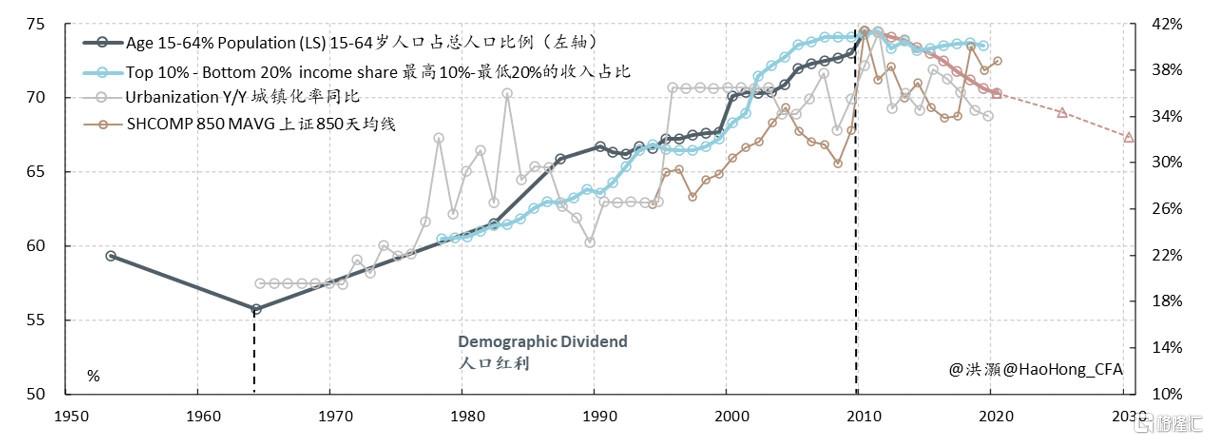
2010年是中國宏觀經濟的分水嶺。中國在這一年同時跨過劉易斯拐點和庫茲涅茨拐點。在這個拐點雙至的年份,曾經源源不斷的農村廉價勞動力供應開始收縮。同時,四十年“改革開放”碩果累累,將經濟的增速推向頂峯,使中國龐大的人口擺脱了貧困,收入不平衡狀況的緩解也由此發端。自此以後,中國的城鎮化、人口結構、不平衡以及股市的長期趨勢都開始逆轉。如今,隨着“共同富裕”成為中國的綱領性主題,人們必須思考在這一新的宏觀環境下如何調整佈局,以獲得最佳的投資回報。
我們用收入差距作為衡量社會不平衡和共同富裕水平的代理指標。收入不平衡通過影響利率從而左右股市表現。一個存在嚴重不平衡的社會勢必是一個過剩的社會,因為富人佔有的收入份額遠超其力所能消費的份額,而窮人的收入與其產出不成比例,不足以將所有過剩的供給消耗殆盡。這種供過於求的狀態抑制了通脹,進而壓低了利率,而反之亦然。如是,隨着收入不平衡的改善,通脹和利率理應同步上升。而利率的變動是決定股票收益的關鍵。
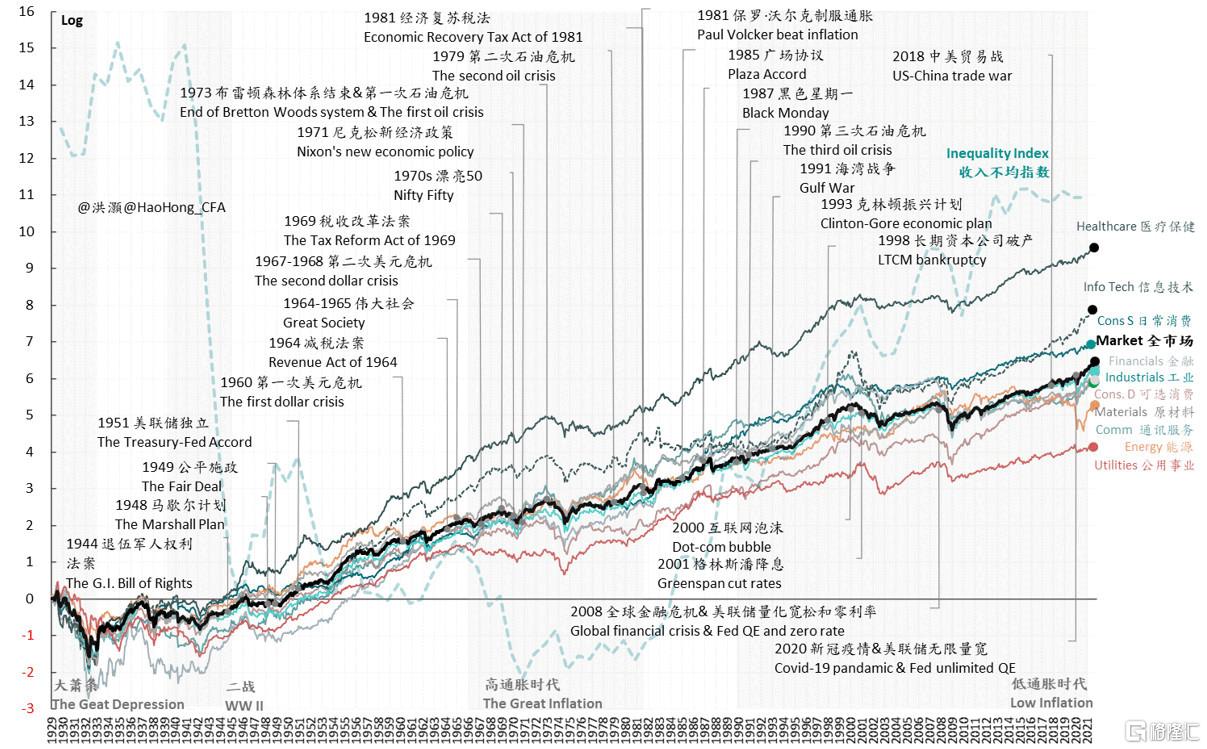
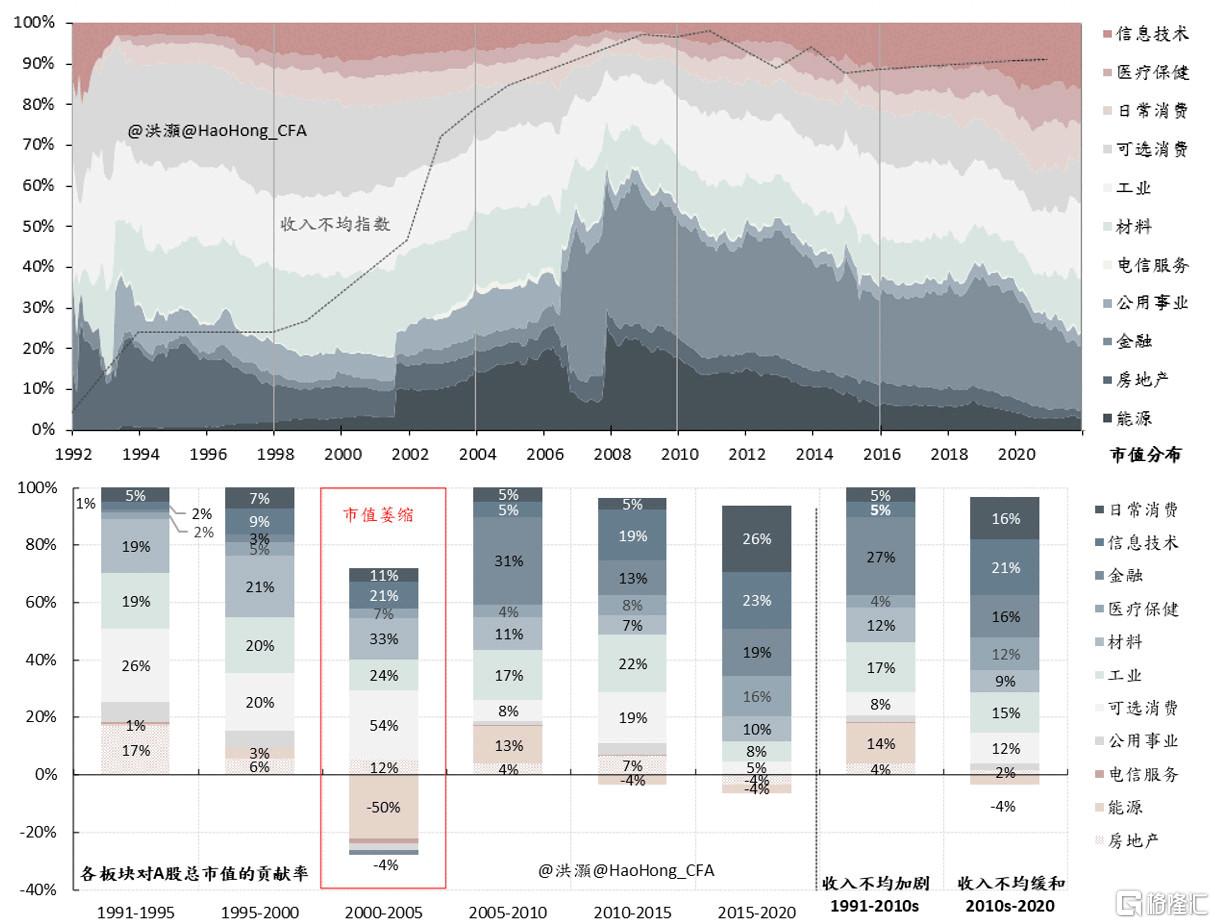
我們構建了一套時間跨度逾百年的專有市場和行業指數,以之借鑑美國的經驗。上世紀50年代至80年代,美國收入不平衡的程度急劇下降,通脹和利率並行攀升,材料、能源、通信、信息技術和醫療保健板塊跑贏大市。而在中國2010年跨越雙枴點後,在中國的在岸和離岸市場裏,信息技術、醫療保健和日常消費板塊的表現則可圈可點。
“共同富裕”是中國戰略發展目標一以貫之的主題,同時也確乎與中國古典哲學一脈相承。如果中國的社會結構是深思熟慮的政策意圖的結晶,那麼美國上世紀50年代至80年代不平衡的收斂的開始可能只是一個意外。當年羅斯福簽署《退伍軍人權利法案》,為1,200萬退伍軍人的求學置業提供資金支持,實為阻止其湧入就業市場壓低工資,但美國反而因此積累了巨量的人力資本,並拉開了不同社會階層間社會流動的時代巨幕。
這些鉅變開創了林登·約翰遜總統20世紀60年代時的“偉大社會”的願景。加之鉅額的戰爭支出所帶來的技術進步,這一時期為美國接下來波瀾壯闊的60年奠定了堅實基礎。從美國的經驗中,我們可以看到中國朝着共同富裕目標奮進所需的相似要素:高等教育、房屋權益、醫療保障、技術進步,以及政府強有力的政策意圖。2020年,中國已經完全消滅了貧困,比聯合國的預定目標提前了整整十年。風物長宜放眼量,現在是時候縱目暢懷,將目光投向更宏大的共同富裕目標,並根據這一未來十年的綱領性宏觀主題相應調整我們的投資佈局。
圖表 1: 中國的收入不平衡與勞動人口、城鎮化率以及上證的 850 天均線
資料來源:WID,萬得,CEIC,聯合國,交銀國際
圖表 2: 美國股票市場的百年曆史
資料來源:CRSP,彭博,WID,交銀國際
圖表3: 2010年拐點前後的股票市場表現(1991-2020, A股市場)
資料來源:萬得,WID,CEIC,交銀國際
Follow us
Find us on
Facebook,
Twitter ,
Instagram, and
YouTube or frequent updates on all things investing.Have a financial topic you would like to discuss? Head over to the
uSMART Community to share your thoughts and insights about the market! Click the picture below to download and explore uSMART app!

Disclaimers
uSmart Securities Limited (“uSmart”) is based on its internal research and public third party information in preparation of this article. Although uSmart uses its best endeavours to ensure the content of this article is accurate, uSmart does not guarantee the accuracy, timeliness or completeness of the information of this article and is not responsible for any views/opinions/comments in this article. Opinions, forecasts and estimations reflect uSmart’s assessment as of the date of this article and are subject to change. uSmart has no obligation to notify you or anyone of any such changes. You must make independent analysis and judgment on any matters involved in this article. uSmart and any directors, officers, employees or agents of uSmart will not be liable for any loss or damage suffered by any person in reliance on any representation or omission in the content of this article. The content of the article is for reference only and does not constitute any offer, solicitation, recommendation, opinion or guarantee of any securities, virtual assets, financial products or instruments. Regulatory authorities may restrict the trading of virtual asset-related ETFs to only investors who meet specified requirements. Any calculations or images in the article are for illustrative purposes only.
Investment involves risks and the value and income from securities may rise or fall. Past performance is not indicative of future performance. Please carefully consider your personal risk tolerance, and consult independent professional advice if necessary.